When I first switched from Merino to Romney wool, it was a bit of a shock. After months of working with Merino’s buttery softness, Romney felt — well, like I’d traded silk for burlap. But once I got used to its grip and structure, I realized it had something Merino didn’t: speed, strength, and personality.
If you’ve ever wondered why some fibers felt faster, hold shape better, or give that lovely rustic finish, this comparison is for you. Both Merino and Romney are favorites among felters — but they behave very differently once you add soap, water, or a felting needle into the mix.
Let’s look at what sets them apart, and when you should reach for one over the other.
Meet the Fibers
Merino – The Luxury Softie
Merino wool has earned its reputation as the “queen of felting fibers.” It’s incredibly fine, silky, and smooth — usually ranging from 18–22 microns in diameter. This fineness makes it ideal for soft, wearable projects or delicate wet-felted art.
Because of its ultra-fine scales, Merino felts slowly but evenly, producing a sleek, drapey finish. It’s perfect for projects where you want elegance rather than ruggedness.
What it’s best for:
- Nuno felting and fine wet felting
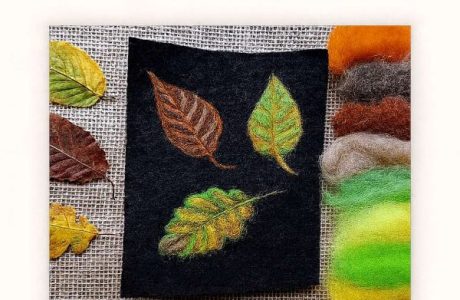
- Smooth, detailed surfaces in wall art
- Soft wearable pieces like scarves or wraps
- Delicate color blending and gradients
What to expect when felting:
- Requires patience — fine fibers take longer to interlock
- Shrinks more than most breeds
- Produces a dense, refined felt with little texture
- Feels luxurious and soft against the skin
Romney – The Sturdy Workhorse
Romney wool, from longwool sheep originally bred in England, is the sturdy opposite of Merino. Its fibers are long (5–7 inches) and medium-coarse (around 30–36 microns), which means they felt fast and firm.
Unlike Merino, Romney fibers have open scales and natural shine. They interlock quickly, making it a fantastic choice for strong, structured felt — think bowls, rugs, slippers, or durable handbags.
What it’s best for:
- Wet-felted rugs, bags, and sturdy vessels
- Needle-felted sculptures and 3D forms
- Textured, rustic finishes
- Projects where durability matters more than softness
What to expect when felting:
- Felts quickly and holds shape easily
- Slight sheen adds a natural luster
- Feels textured rather than silky
- Creates firm, long-lasting felt
Merino vs Romney: A Felting Comparison
| Feature | Merino Wool | Romney Wool |
| Fiber Diameter | 18–22 microns (fine) | 30–36 microns (medium-coarse) |
| Fiber Length | 2–3 inches | 5–7 inches |
| Felting Speed | Slow | Fast |
| Shrinkage | High | Moderate |
| Texture | Soft, smooth, silky | Firm, crisp, slightly coarse |
| Durability | Delicate | Extremely durable |
| Sheen | Matte | Lustrous |
| Best For | Wearables, nuno felting | Structural wet felting, 3D work |
| Finish | Refined and delicate | Rustic and strong |
How They Behave in Felting
Wet Felting
If you’re wet felting, you’ll notice the difference right away.
Merino takes its time — you’ll need more rolling and gentle agitation to get it to felt evenly. But once it’s done, the surface is buttery smooth and beautifully even. Perfect for scarves, wraps, or wall hangings.
Romney, on the other hand, gets down to business fast. A few minutes in, and you’ll feel the fibers grab and lock. It’s fantastic for thicker, more sculptural projects where texture adds charm.
Tip: Romney is less elastic, so it doesn’t shrink as much — meaning your final piece will be closer to your layout size.
Needle Felting
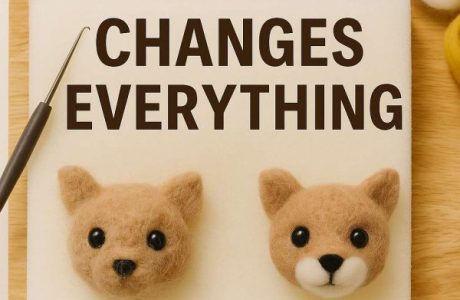
Romney’s longer fibers make it great for building bulk fast. It holds its form beautifully, which is why many sculptural felters love it. You’ll get solid shapes in less time.
Merino, however, is trickier. It tends to “spring back” because of its fineness. That makes it harder to achieve firmness unless you use it as a top coat or blend it with coarser fibers.
Best practice:
- Romney: Use for cores or full builds.
- Merino: Use for surface smoothing and color detail.
Color and Texture
Merino takes dye like a dream — colors are deep, rich, and luminous. Romney dyes too, but the texture shows through, giving a more muted or natural tone. If you prefer rustic, organic aesthetics, Romney’s natural shine and slightly uneven surface are stunning.
Mixing the two creates depth — Merino adds vibrancy, Romney adds structure and natural highlights.
Felting Speed and Structure
If you’re teaching workshops or batch-making items to sell, Romney’s speed can be a huge advantage. It’s forgiving, quick, and holds up well to handling.
Merino, while slower, gives a more professional polish. It’s the choice for high-end wearable art or luxury pieces where softness and surface quality matter most.
In short:
- Romney = fast, firm, practical.
- Merino = slow, soft, elegant.
Blending Merino and Romney
Blending these fibers creates magic. The fine Merino smooths and softens the Romney’s texture, while Romney gives the piece backbone.
Suggested blends:
- 70% Merino / 30% Romney: soft, yet strong for scarves or wraps.
- 50/50 mix: balanced structure with lovely drape for handbags or wall art.
- Romney base + Merino surface: strong foundation with silky finish.
Pro Tip: Try carding small amounts together by hand before committing to a full project. Every blend behaves a little differently.
Sustainability and Sourcing
Both breeds are known for ethical, sustainable wool production. Romney sheep are hardy and require little intervention, while Merino farms (especially in New Zealand and Australia) are moving toward mulesing-free, humane practices.
Whenever possible, look for small-batch or local producers — not only will you get fresher, cleaner fiber, but you’ll also support fiber farms that care deeply about animal welfare and sustainable land management.
When to Choose Merino
- You’re making soft, drapey wearables.
- You want smooth, even color transitions.
- You love fine detail and refinement.
- You have patience for slower felting.
When to Choose Romney
- You’re building strong, structural pieces.
- You love rustic texture and visible fiber.
- You want to felt fast.
- You need durability and shape retention.
Working with Merino and Romney side by side is like working with silk and linen — they’re both beautiful, just for different reasons.
If you crave elegance, go with Merino. If you crave character, grab Romney. And if you’re like me, you’ll probably end up blending them — because together, they give you everything: softness, strength, and speed.
Felting is all about understanding your materials. Once you know how a fiber behaves, you can shape it to your vision — whether that’s a delicate draped scarf or a chunky, earthy wall hanging.